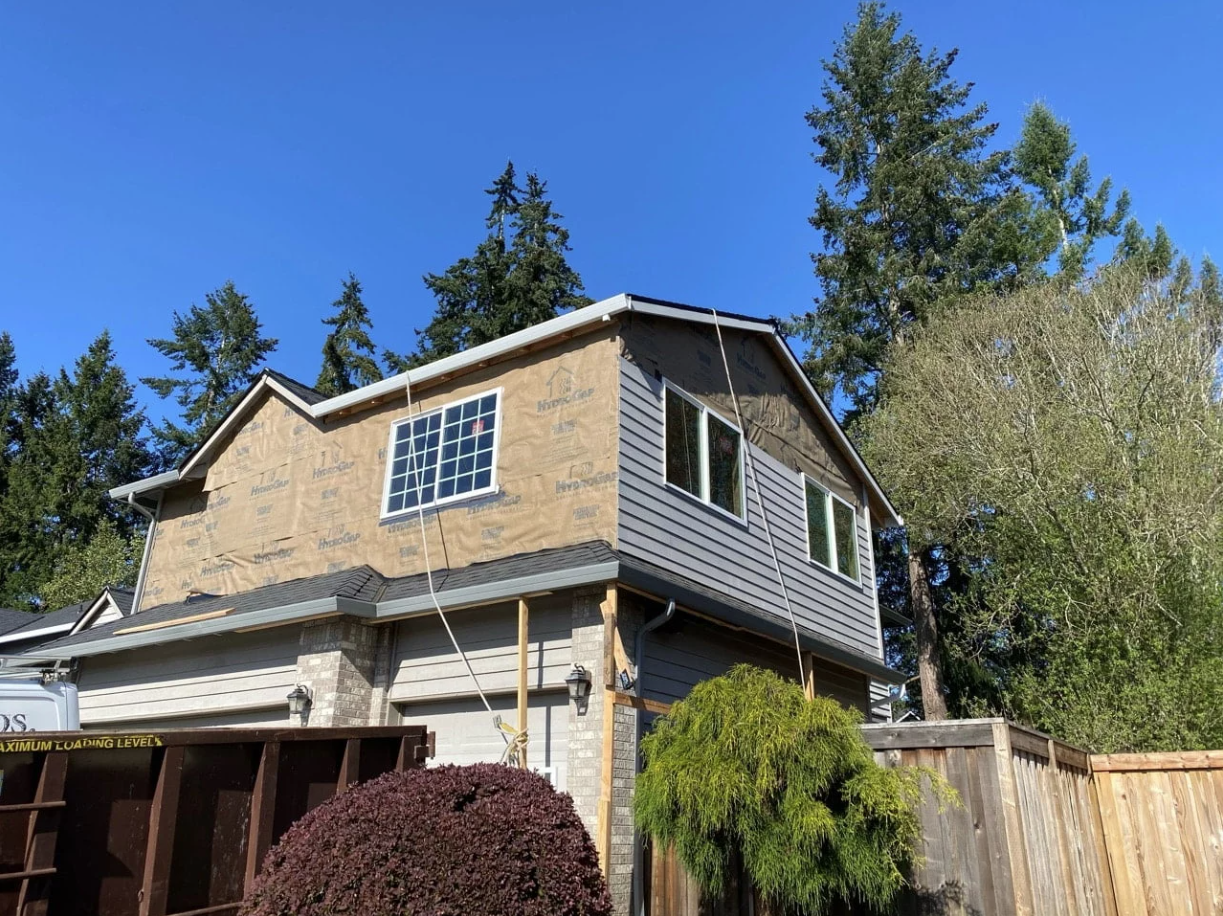

You know what gets my goat? When smart folks – genuinely intelligent people who navigate complex systems daily – suddenly leave their common sense at the curb when it comes to something like an $880,000 home build. Take this general practitioner I met with last week. Sharp as a tack, runs a busy practice three hours north of Edmonton, and was on the hunt for an investment property near the University of Alberta for his bright kiddo. Sounds like a solid plan, right?
He’s cruising around Belgravia, a lovely spot, and spots a builder putting up a fancy-pants dual infill. Three stories each, decent-looking finishes, a few architectural flourishes – the kind of place that makes you think, “Yeah, my brilliant offspring deserves this.” Fully developed basement? Check. Detached garage? Bingo. So, what does our good doctor do? He leaps out of his car for a chinwag with the builder. A friendly chat, no doubt. So friendly, in fact, that he figures, “Why bother with representation? This builder seems like a good egg!”
Now, I’m not saying the builder wasn’t a good egg. Maybe he volunteers at the local soup kitchen, rescues kittens from trees – who knows? But here’s the thing: when you’re talking about nearly a million dollars, relying on a handshake and a “good guy” feeling is about as effective as using a screen door on a submarine. The days of a man’s word being bond on this kind of coin? Bless your heart if you still believe that. Contracts, my friends, are there for a reason. They protect everyone involved, assuming they’re written properly.
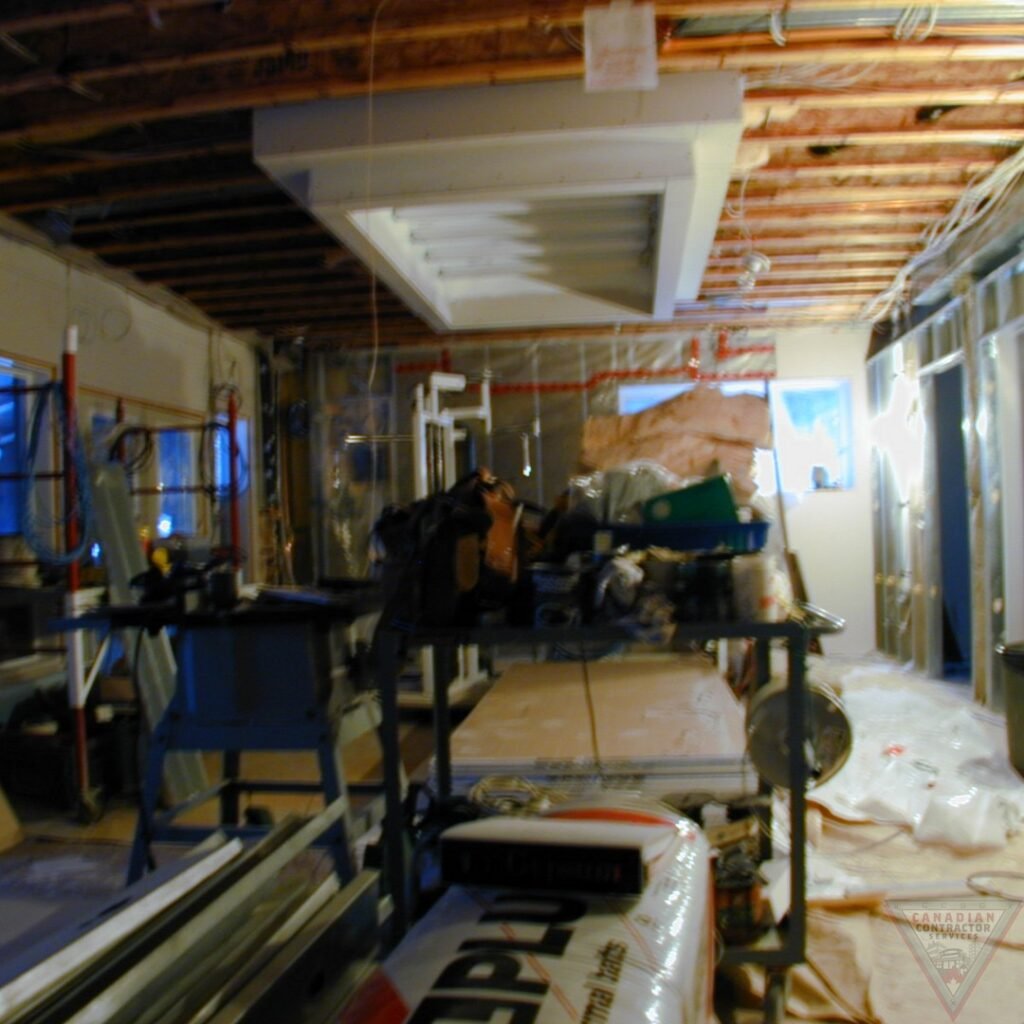
Fast forward to January in good old Alberta. You know how those cold snaps can bite. Suddenly, our doctor’s “mini-mansion” starts weeping. Not tears of joy, mind you. We’re talking water leeching through the 14-foot sloped ceilings in all the second and third-floor bedrooms. Drip, drip, drip from the pot lights. Water sneaking into the stud walls. Millwork swelling like it’s been on a week-long all-you-can-eat buffet. And here’s a fun fact: zero attic space in those fancy roof assemblies. Nada.
So, being the inquisitive type (it’s my job, after all), I asked about the insulation. Specifically, how they tackled insulating a 14-inch cathedral joist ceiling. Any videos? Pictures of the installation process? Crickets. My professional hunch? They likely slapped in some batt insulation. Cheaper, you see. The better option? A two-component dense spray foam application, maybe with a fire retardant. But hey, that costs more money. And who wants to do that when you can save a few bucks upfront and let the new homeowner deal with the consequences later? (That’s sarcasm, in case you missed it.)
Now, here’s a little insider baseball for you. Doctors and lawyers? They have insurance requirements that would make your head spin. They live and breathe risk management every single day. So, sometimes, they forget that other industries don’t have the same level of scrutiny. That commercial insurance underwriting they’re used to? Not always a thing in the small home builder world.
But wait, there’s more! Canada has this New Home Build Warranty legislation. Sounds reassuring, right? A blanket warranty company and a handful of firms that manage the process across the country. So, every builder belongs to one of these, right? Either the “New Home Build Warranty Program” or the “Alberta New Home Builder Warranty Program.” The big guys are here, the smaller ones are there. Builders pay a fee to these companies as a safety net, in case they can’t handle warranty work themselves.
The whole thing was set up because folks were getting royally hosed when builders vanished or decided warranty work was beneath them. But don’t go thinking a policy is a golden ticket. Each company has its own fine print. Just because you have a policy doesn’t mean you’re covered for everything. Most people don’t realize this until the water’s literally dripping on their heads.
And let’s be real, no warranty company in its right mind is going to blanket warranty everything. They don’t have the army of experienced inspectors to babysit every single build. Plus, the legal headaches if a foundation crumbles within the warranty period due to some dodgy trade practices? No thanks.
Even the city home inspectors? Bless their overworked hearts. They are absolutely swamped with the building permit system. I’ve talked to countless of them over the years, and they are run ragged. So, yeah, stuff gets missed. Lots of stuff.
Think hiring a private home inspector after the build is done is your silver bullet? Think again. Once those walls are closed up and everything’s looking pretty with a fresh coat of paint, even the most eagle-eyed inspector can miss a lot in a two-hour visit. I used to be one of those inspectors. I killed more deals than I care to remember. Heartbroken buyers, grumpy builders, and real estate agents who suddenly had to work for their commission (the horror!). It just wasn’t worth the constant battle, even with a premium price tag. And now, commercial liability insurance for inspectors is through the roof because homeowners are understandably asking why they didn’t spot the missing rebar or the weeping tile system that’s more of a weeping joke.
So, where does this leave our good doctor? Six months and counting, still in the negotiation trenches with the new home build warranty provider. He’s spending an insane amount of time dealing with this mess when he should be enjoying his hard-earned retirement.
The Moral of the Story (and there are a few):
- Get it in Writing, Folks! No matter how “good” someone seems, a solid contract protects everyone.
- Do Your Homework: Don’t skip verifying licenses, insurance, and checking references.
- “Too Good to Be True” Usually Is: That rock-bottom bid might cost you a fortune in the long run.
- Understand Your Warranty: Don’t assume it covers everything. Read the fine print.
- Consider Independent Inspections During Construction: While not foolproof, catching issues early is always better.
Don’t let your dream renovation or new build turn into a costly, stressful nightmare. A little due diligence upfront can save you a whole lot of heartache (and money) down the road. Now, if you’ll excuse me, I need a coffee. All this talk of leaky ceilings is making me feel cranky.