
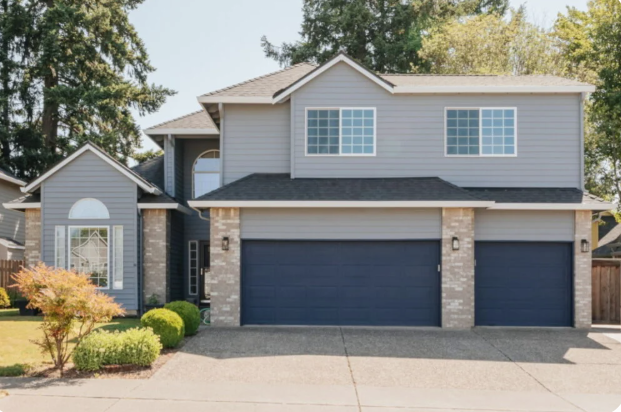
Let’s talk about building. Whether it’s your dream home, a new commercial space, or a major addition, it’s a massive undertaking. You’ve got the plans, the budget (hopefully!), and the Pinterest boards are overflowing. But there’s one question that hangs in the air, sometimes as heavy as a humid July afternoon before a thunderstorm: When is the best time to actually start digging?
Spoiler alert: there’s no single magic date on the calendar that works for every single project everywhere. If anyone tells you otherwise, they’re selling something. The truth is, when you embark on a construction project, timing isn’t just about when you’d prefer to move in. Nope. It’s a critical strategic decision that can seriously impact how smoothly things run, how much it costs, and ultimately, how successful the whole build is.
Think of Mother Nature as a surprisingly influential (and sometimes moody) project manager. Her schedule dictates a lot. Weather patterns, seasonal conditions – they play pivotal roles in figuring out the ideal windows for various construction activities. Understanding her temperament and how to work with the seasons, rather than constantly fighting against them, can save you headaches, unexpected bills, and delays that make you want to scream into a pillow.
This isn’t just important for the folks swinging hammers. It’s crucial knowledge for anyone involved: the homeowner signing the cheques, the real estate investor planning their portfolio, the property developer mapping out their next subdivision, the contractor scheduling crews and equipment, and even the insurance folks who might deal with weather-related claims down the line. Knowing the ebb and flow of the construction calendar is just smart business – and smart living.
So, let’s break it down, season by season. We’ll look at the good, the bad, and the slightly muddy of building year-round, especially from a perspective that understands things like “frost heave” and “Chinook winds” (hello, Alberta!).
Understanding How the Seasons Decide When Stuff Gets Done (Because They Do)
Each season brings its own set of opportunities and challenges to a construction site. Pretend they’re different contractors, each with their own quirks.
Spring: The Great Thaw (and the Potential Mud Pit)
Ah, spring! The snow melts, the birds return, and everyone collectively breathes a sigh of relief after another prairie winter. Spring often gets a lot of hype as the “best” time to start building. And there’s solid logic there. The ground, finally thawing after being frozen harder than a well digger’s mitts, becomes workable again. This is crucial for laying foundations, excavating basements, and doing essential earthwork. Getting the foundation and framing done early in the year means you can potentially get the building “under roof” before the next winter hits.
It’s also a psychological boost. After months of cold and short days, everyone is usually eager to get outside and get physical work done. Crews might have better availability than during the peak summer rush.
BUT. (And with spring, there’s always a “but”). Spring weather can be the definition of unpredictable, especially around here. One day it’s sunny and warm, the next it’s a torrential downpour, or worse, a sudden, slushy snowfall. Frequent rain turns construction sites into mud pits, halting excavation, making conditions unsafe, and generally slowing everything down. Concrete pours can be delayed if the temperature drops too much or if it’s too wet.
- The Opportunity: Thawing ground, motivated crews, potential for getting enclosed before next winter.
- The Challenge: Unpredictable rain, mud, potential for lingering frost or late snow.
The takeaway? Spring is great if you plan for the wet. Good site drainage is paramount. Flexible scheduling that accounts for rain delays is a must. Don’t bet the farm on everything running exactly on time just because the calendar says “April.”
Summer: Peak Season (and Peak Sweat)
Long days, warm temperatures, consistent sunlight – summer is undeniably peak construction season for a reason. The weather is generally the most stable, meaning fewer rain delays (though summer thunderstorms can be fierce and pop up out of nowhere, trust me). The extended daylight hours mean crews can work longer, more productive days, potentially speeding up project timelines significantly. It’s ideal for framing, roofing, exterior finishes like siding and painting, and landscaping – tasks that benefit from dry, warm conditions.
Equipment operates smoothly, materials handle as they should, and concrete cures nicely (usually). This is when things often look like they’re progressing fastest, which is great for everyone’s morale.
However, summer isn’t without its challenges. Extreme heat can be a serious issue. For workers, it poses health risks like heat exhaustion or stroke – mandatory breaks, hydration, and starting work earlier in the day become critical safety measures. For materials, intense heat can affect the curing process of concrete (it can dry too fast and crack) or make some adhesives and sealants tricky to work with.
- The Opportunity: Stable weather, long daylight hours, faster potential progress on exterior work.
- The Challenge: Extreme heat risks for workers and materials, peak season demand (contractors may be busier and potentially charge more), sudden thunderstorms.
The takeaway? Summer is prime time, but manage the heat. Schedule physically demanding tasks or material work sensitive to temperature for cooler parts of the day (early morning is your friend). Book your contractors early because their schedules fill up fast.
Fall: The Golden Window (Before the Chill Sets In)
Fall is often considered the “second best” time to kick off a build, and for good reason. After the heat of summer breaks, the weather in places like Edmonton and Calgary can be absolutely perfect for construction. Mild temperatures, usually less rainfall than spring, and comfortable working conditions make it ideal for continuing or starting many building tasks. It’s a fantastic window for getting exterior finishes completed, ensuring the building is well-sealed and weatherproof before winter descends. Landscaping is also great in the fall.
The initial rush of peak summer might have passed, potentially meaning slightly better contractor availability (though good ones are always busy!).
The main challenge with fall is the decreasing daylight hours. As you move closer to winter, the workday naturally shortens, which can impact productivity and timeline. Also, depending on how far into fall you build, you risk the early onset of cold snaps or even snow, requiring winterization measures sooner than you’d like. Wet falls (which we definitely get around here sometimes!) can bring back the mud issues similar to spring.
- The Opportunity: Mild temperatures, comfortable working conditions, often drier than spring, great for exterior finishes and sealing the building envelope.
- The Challenge: Decreasing daylight, risk of early cold/snow, potential for wet periods.
The takeaway? Fall is excellent for getting a project enclosed. Plan the schedule tightly to maximize daylight and finish exterior work before the weather turns. Be prepared to implement winter building practices if the cold arrives early.
Winter: The Deep Freeze (Not Impossible, But Different)
Winter construction, especially in parts of Canada that actually have winter (looking at you, Alberta!), poses the most significant challenges. Cold temperatures, snow, ice, and reduced daylight hours can slow down or completely halt traditional outdoor activities. Materials behave differently – concrete needs protection to cure, wood can be brittle, and working with anything wet becomes a major headache (or literally, a frozen one). Excavation is impossible when the ground is frozen solid unless you bring in serious equipment.
However, winter isn’t a complete write-off. Modern technology, like heated enclosures (essentially putting a giant tent over the foundation or frame and heating it) and advancements in cold-weather concrete mixes, make building possible. It requires extra cost for heating, materials, and protective measures, but it can be done.
Perhaps the biggest opportunity in winter is for indoor work and the planning/permitting phases. Interior finishing, electrical, plumbing, HVAC, insulation, drywall, painting – all can proceed comfortably once the building is enclosed and heated. Also, during the slower winter months, contractors and subcontractors might have lower demand and potentially offer more competitive rates or have better availability. It’s also a great time to finalize designs, get permits approved, and line up trades for the spring push.
- The Opportunity: Ideal for indoor work, planning, and permitting; potential for better contractor availability and rates; getting a head start on design/approvals.
- The Challenge: Cold weather impacts outdoor work, snow/ice, increased costs for heating and cold-weather measures, reduced daylight.
The takeaway? Winter requires careful planning and budget for cold-weather adaptations. It’s the perfect season to focus on interior progress or get all your ducks in a row for a spring start. Don’t rule it out, but understand the added complexities and costs.
Strategies for Playing Chess With the Seasons (And Winning)
Simply knowing the challenges isn’t enough. You need a game plan, strategies to optimize your construction schedule and work with the weather, not just endure it. This is where the authority comes in – showing you know how to navigate these choppy waters.
- Detailed Planning is Your Best Friend (and So Are Contingency Plans): I know, thrilling, right? Paperwork! But seriously, mapping out your project timeline in detail before you start swinging hammers is crucial. Identify which activities are weather-sensitive (like foundation pours, exterior painting, roofing) and which can happen rain or shine (or snow!) once enclosed (like electrical, plumbing, insulation, drywall). Build weather-related contingencies right into your timeline and budget. What happens if it rains for a week straight in May? What’s the backup plan? Having these scenarios thought out minimizes panic and costly last-minute changes. Plan for the best, absolutely, but budget for the worst-case weather scenario.
- Become a Casual Meteorologist (or Use Tools): You don’t need to predict the next blizzard yourself, but paying attention to weather forecasts is vital. Use reliable forecasting tools (Environment Canada is your friend up here!) and monitor them regularly as the project progresses. A sudden change in forecast could mean rescheduling a concrete pour or ensuring materials are covered. Good contractors do this religiously – it’s part of managing the site.
- Season-Specific Best Practices Aren’t Optional, They’re Essential: This goes beyond just putting on a warmer jacket. It means understanding how materials perform in different temperatures and moisture levels. It means knowing that concrete needs specific temperatures to cure properly and using cold-weather additives or heated blankets in winter, or covering it in heat to prevent drying too fast in summer. It means ensuring proper ventilation for indoor air quality when things are sealed up tight in winter. It means being extra careful with site drainage in spring and fall. Experienced builders have these practices ingrained – they know the tricks of the trade for each season.
- Leverage Off-Season Opportunities Like a Pro Investor: Don’t just see winter as a hurdle; see it as an opportunity. As mentioned, contractor availability might be better, and some may offer slightly lower rates during their slower period. This is the perfect time to get all your pre-construction ducks in a row: finalizing architectural drawings (design and specification services are busy year-round but detailed planning is key in winter), getting your development and building permits approved by the city (hello, Edmonton permitting!), sourcing materials (some suppliers might offer better deals), and lining up your preferred trades for when the weather breaks. For renovations, especially interiors, winter is often ideal because the exterior isn’t a factor.
- Your Contractor is Your Navigator – Choose Wisely: Seriously, this might be the most important strategy. An experienced contractor who has built through multiple cycles of Alberta’s wonderfully unpredictable weather is invaluable. They have the knowledge, the relationships with trades (who also understand the seasonal shifts), and the on-the-ground experience to adjust schedules, manage crews through heat waves or cold snaps, and know the right techniques for each season. Ask potential contractors about their experience with building year-round and how they handle weather delays. Their answers will tell you a lot. They are your greatest asset in making sure your project progresses smoothly, regardless of whether it’s +30°C or -30°C.
Talking it Out: Communication Isn’t Just for Therapists
All the planning and strategies in the world won’t help if nobody is on the same page. Open, consistent communication with your entire construction team – from the general contractor down to the various subcontractors – is absolutely crucial.
Regular site meetings, even quick weekly check-ins, keep everyone informed about progress, upcoming tasks, potential challenges (like a grim weather forecast), and necessary adjustments. If a delay looks imminent due to weather, talk about it early. Don’t let it become a surprise. This collaborative approach ensures that the project remains flexible and adaptable. Clients stay informed, contractors can explain the “why” behind delays or changes, and potential frustrations are managed before they blow up. Remember our previous chat about documentation? Keep doing that too – emails confirming decisions, photos of site conditions. It backs up those conversations.
Wrapping It Up: Timing is Everything (Almost)
Choosing the right time to kick off your construction project isn’t about luck; it’s about informed decision-making. By understanding how each season impacts building activities, implementing smart planning and contingency strategies, leveraging off-season opportunities, and partnering with an experienced, communicative contractor, you can significantly optimize your project for success.
Building in Alberta means building with the seasons. Embrace the opportunities each one offers and plan diligently for the challenges. A project started with thoughtful consideration of the seasonal calendar is far more likely to finish on time, on budget, and with everyone involved still speaking to each other.So, before you break ground, take a good hard look at the calendar and talk with your contractor about the best timing for your specific project goals. Your future self, sitting in your completed home or building, will thank you. Because when it comes to construction, timing really is almost everything. The rest is good planning, communication, and maybe a little bit of luck with Carl’s dog’s surgery schedule.