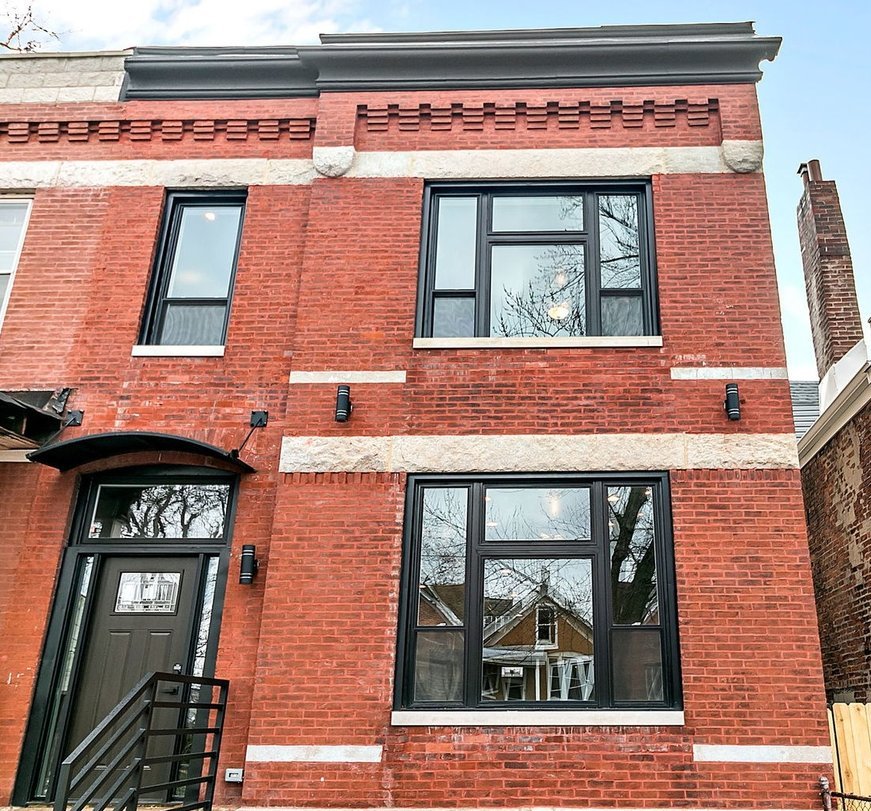
You know that feeling? The one where you’ve signed on the dotted line, picked out the perfect paint colour, and the Pinterest boards are practically vibrating with anticipation? Home construction, building new or tackling a major renovation, it’s supposed to be exciting! visions of shiny new fixtures, perfectly laid hardwood, maybe even that fancy, voice-activated shower you saw online. Ah, the champagne dreams!
But then… thump. That’s the sound of reality hitting. Maybe it’s the sound of a delivery truck that didn’t show up, the unexpected shriek of an invoice you weren’t remotely prepared for, or the sigh you let out when you look at a wall and think, “Wait a minute… is that supposed to do that?”
That’s when the drywall nightmares begin. Whether you’re building from scratch in a new subdivision just outside of Calgary, adding a second storey to your place in Edmonton, or just trying to get that basement finished before your in-laws visit, you quickly learn that construction isn’t just about hammers and nails. It’s about contracts, communication, and, quite often, conflict resolution. And honestly, sometimes it feels like you need a degree in conflict resolution just to get a backsplash installed correctly.
This isn’t just a chat for the wide-eyed homeowner who’s never done more than hang a picture. Nope. This guide is your survival manual if you’re a property manager trying to coordinate repairs across a dozen units and three different time zones. It’s for the insurance adjuster sifting through photos of water damage, trying to figure out who’s actually responsible when everyone’s pointing fingers. It’s for the real estate agent whose client’s dream home has a suspiciously leaky basement six months after closing. And yeah, it’s absolutely for the homeowner who just discovered their “custom” kitchen island is, somehow, less “custom” and more “significantly off-centre.” Seriously, how does that even happen?
We’re going to walk through the common pitfalls, the moments where things traditionally go sideways, and, more importantly, how to navigate them without actually needing that voice-activated shower to cry in. Because while construction can be a headache, it doesn’t have to devolve into a full-blown legal drama worthy of its own Netflix series. Let’s talk about keeping your sanity, and maybe, just maybe, getting the job done right.
The Usual Suspects: When Your Project Decides to Go Rogue
Before we get to the how-to-fix-it part, let’s commiserate for a minute. Because chances are, if you’re dealing with a construction headache, it falls into one of these classic categories. These are the greatest hits of home renovation woes, the rockstars of residential disputes.
Hold Up! Delays, the Timeless Classic
Ah, delays. The bread and butter of construction complaints. You had a timeline. They had a timeline. Those two timelines likely said hello, waved awkwardly, and then went in completely opposite directions.
You’re told two weeks for the bathroom. Two weeks come and go. Then it’s three. Then four. Suddenly, you’re showering at the gym (remember gyms? Good times.) and getting increasingly passive-aggressive texts from your contractor like, “Still waiting on that custom shower glass from, uh, out of province. Must be the weather.”
Look, things happen. Weather, supply chain hiccups (thanks, global everything!), unexpected structural finds once walls come down. That’s understandable. A good contractor anticipates some of this and builds a little buffer in. A less-than-great contractor? Well, they start blaming everything from sunspots to the alignment of the planets.
“The tile shipment’s stuck in Calgary.” (Even though you live just outside Edmonton, making that excuse slightly less believable). “Oh, we ran out of vapor barrier.” (Because apparently, calculating how much material you need is rocket science?). “Oh, Carl’s dog had surgery.” (Okay, that one might be legitimate, you feel bad for Carl and his dog, but also… your kitchen still has no floor).
Whatever the reason, delays are a killer. For homeowners, it means prolonged disruption, extra costs (renting somewhere else, eating out constantly), and mounting frustration. For property managers, it means vacant units losing revenue. For builders, it can mean penalties or missed deadlines for warranty registration. Time, as they say, is money. And delays feel like someone is just casually walking off with your wallet, one day at a time.
Budget Creep: The Invoice That Came From Outer Space
You got a quote. It felt reasonable. You budgeted accordingly. You even, perhaps foolishly, allowed for a little extra, because you’re a responsible adult, right?
Then the invoices start arriving. And they’re… higher. Much higher.
“Oh, that granite you picked? Turns out it was from Mars and required special space-freight charges.” “Remember that wall we opened up? Yeah, we found… things. Expensive things.” “And, uh, we had to add extra labour because, you know, Tuesdays.”
Suddenly, that $160K kitchen renovation quote is looking suspiciously like $195K, and the explanations are fuzzier than an old photograph. You ask for a breakdown, and you get a line item that says “Miscellaneous Unexpected Awesomeness: $35,000.” Okay, maybe not that vague, but sometimes it feels that way.
Budget creep happens for legitimate reasons sometimes – unexpected structural issues, client-requested changes (that weren’t properly quoted beforehand), unforeseen site conditions. But it also happens because of poor planning, guesstimating instead of quoting, or, let’s be blunt, trying to lowball a bid and then making up the difference later. For everyone involved – homeowner, investor, property manager, or adjuster looking at a claim – unexplained cost increases are a massive red flag and a prime source of conflict.
Deficient Work: “Is That Wall Supposed to Look Like a Funhouse Mirror?”
This is the one that gets under your skin. You’re paying good money for a professional job, and what you get looks like it was done by enthusiastic amateurs after a few too many.
Uneven tiles that look like a toddler laid them. Drywall with bumps and waves that make you seasick. Floors that creak like an old pirate ship or, worse, visibly slope. Cabinets that don’t quite line up. Paint drips you could hang your hat on.
The classic defense? “It’s within tolerance.” Tolerance? For what? Looking objectively terrible? While there are industry standards and tolerances for minor imperfections, there’s a big difference between a tiny gap you need a microscope to see and a visibly crooked wall.
This isn’t just about aesthetics. Shoddy work can indicate deeper problems – structural issues, improper installation that will lead to future failures (hello, leaky shower!), or code violations. For new home warranty providers and building envelope specialists, this is a major concern. For insurance adjusters, poorly repaired work after a claim is a recipe for a repeat claim down the road. And for homeowners, it’s a constant, irritating reminder that you didn’t get what you paid for. It’s the gift that keeps on giving… misery.
Communication Breakdowns: The Sound of Silence (or Worse, Gobbledygook)
This is perhaps the most frustrating issue, because it often fuels the others. When you can’t get a straight answer, emails disappear into the ether, texts are met with crickets, and attempting to talk to someone on site gets you shunted off to “the office,” you’re in a communication black hole.
“Did you get my email about the change order?” “Uh, which one? My inbox is kinda full.”
“Can we get an update on the timeline?” “Yeah, uh, we’re working on it. Should be soonish.”
“Why is there a giant hole in my wall?” “Oh, the crew must have forgotten to tell you. Necessary rough-in.”
When information doesn’t flow clearly and consistently, misunderstandings pile up faster than scrap lumber on site. Change orders aren’t approved in writing, leading to budget surprises. Scheduling gets messed up. Crucial decisions are delayed because nobody knows who needs to approve what. This is where property managers juggling multiple contractors often tear their hair out. It’s inefficient, infuriating, and completely avoidable with a little effort.
How to Fight Without Declaring World War III (Because Nobody Wins That)
Okay, so things have gone sideways. You’ve got delays, unexpected costs, maybe a wall that looks like it survived an earthquake, and the communication feels like sending messages via carrier pigeon. Your first instinct might be to channel your inner drill sergeant or, conversely, curl up in a ball and weep softly. Resist both.
Going full nuclear should be the absolute last resort. Court battles are expensive, time-consuming, and emotionally draining. You might win, but often the victory feels pretty hollow after years of stress and mounting legal bills. Let’s talk about diffusing the situation and finding resolutions that don’t require selling a kidney to pay the lawyers.
Operation Lock It Down: Get the Contract Right From the Get-Go
Honestly? So many disputes could be avoided if people put more effort into the contract before any work starts. Think of the contract as the constitution of your construction project. It needs to be clear, comprehensive, and cover the likely scenarios where things could go wrong. A two-page quote scribbled on a napkin isn’t a contract, bless its optimistic little heart.
A solid construction contract, whether you’re a homeowner hiring a contractor or a property manager engaging a renovation company, should include:
- A ridiculously detailed scope of work: “Finish basement” is not a scope of work. We need specifics: framing, insulation R-value, drywall finish level (Level 4? Level 5? Know the difference!), specific flooring type and pattern, number and type of light fixtures, paint colours and number of coats, trim profiles. The more detail, the less room for interpretation (or cutting corners). This is crucial for design and specification services – getting this right upfront saves everyone grief.
- A clear timeline with milestones: Not just “start date” and “end date.” We need dates for framing inspection, drywall completion, flooring installation, substantial completion, and final walkthrough. What happens if milestones are missed? Are there penalties? Incentives for finishing early?
- A transparent payment schedule: This is HUGE. Never, ever pay a huge chunk upfront. A common schedule might be 10% deposit, then progress payments tied specifically to completed milestones (e.g., 20% upon framing inspection, 30% upon drywall, 30% upon substantial completion, 10% holdback until final sign-off and warranty documents are provided). This protects you and gives the contractor incentive to finish stages. Property investors and flippers, pay attention – managing cash flow and payment schedules is key.
- Clauses for change orders: How are changes handled? They should always be in writing, detailing the new work, the cost adjustment, and the impact on the timeline. Both parties need to sign off before the extra work is done.
- Dispute resolution clause: What happens if you disagree? Does the contract specify mediation or arbitration before litigation? This is where construction law expertise comes in handy, even before a dispute arises. Knowing what your contract says about disputes is step one.
- Warranties and service guarantees: What is covered, for how long? Who do you call if something breaks? This is bread and butter for new home builders and warranty services – clear documentation here is critical.
Bonus Pro Tip for the Contract: Include a requirement for a weekly progress meeting or at least a detailed written update. Force the communication issue upfront. “I forgot to tell you” isn’t a project management methodology, it’s a sign you’re likely heading for trouble.
Keep Talking (Even If It’s Just to Yourself While You Write the Email): Document Everything
So, the contract is signed, work has started, and the contractor is starting to play hide-and-seek with your calls? Welcome to the club. The absolute best thing you can do, starting yesterday if possible, is document everything.
Phone calls are great for quick chats, but they have a fatal flaw: no record. Memories conveniently fade when there’s a dispute. Emails, texts, photos – these are your best friends.
- Confirm everything important in writing: Had a conversation on site where you agreed to move a light fixture? Send a quick email afterward: “Just confirming our conversation on [Date] regarding moving the light fixture in the living room. As discussed, the cost will be an additional $X and it will slightly extend the electrical work timeline by Y days. Please confirm receipt and agreement.” This little trick works wonders.
- Save texts and photos: Most phones make this easy. Create a dedicated folder on your computer or cloud storage (Google Drive, Dropbox – whatever works) for the project. Organize it by date or by room/task. Take pictures daily if possible, especially before and after work is done in an area. Timestamped photos are golden. This is gospel for insurance adjusters and property managers dealing with vendor work – photo documentation is non-negotiable. For envelope specialists, photos of layering and flashing details are critical.
- Keep a project log: A simple notebook or a shared online document where you jot down who was on site, what they did, conversations you had, issues you observed, decisions made. Date everything.
Why all this paperwork? Because in a dispute, your word against theirs is often a stalemate. But a dated email, a saved text message, or a timestamped photo? That’s evidence. Screenshots speak louder than opinions, especially to lawyers and arbitrators.
Let’s Try Therapy First: Start with Mediation
Okay, the documentation is piling up, and you’re clearly not on the same page. Before you send that angry email you’ll regret, consider mediation. Think of it as relationship counseling, but for your contractor-client relationship.
Mediation involves you, the contractor, and a neutral third party – the mediator. The mediator doesn’t make a decision or take sides. Their job is to facilitate communication, help you both understand each other’s positions, explore solutions, and hopefully guide you to a mutually agreeable resolution.
Mediation is generally:
- Cheaper than arbitration or litigation.
- Faster than waiting for court dates.
- Less dramatic and often less adversarial than formal legal proceedings. It aims to preserve the relationship, which can be important if the project is ongoing.
A good mediator, particularly in construction disputes, should ideally understand the industry. They can talk the talk with both the contractor (“Okay, explain to the homeowner why that delay was unavoidable in construction terms”) and the client (“So, you’re frustrated about the timeline because it’s impacting your family’s living situation?”). They keep the conversation on track and prevent it from devolving into a shouting match. This is a preferred first step in many construction dispute resolution clauses because it works surprisingly often.
Stepping it Up: Arbitration – Court Lite?
If mediation doesn’t work – maybe you just can’t find common ground, or one party isn’t willing to budge – arbitration is often the next step outlined in a contract. It’s a more formal process than mediation, but typically still less formal, faster, and cheaper than going to court.
In arbitration, you and the contractor present your cases to a neutral third party (or a panel) called the arbitrator(s). You’ll present your evidence (all that documentation you’ve been gathering!), call witnesses if needed, and make arguments. The arbitrator(s) act like a judge, listening to both sides and then making a legally binding decision.
Cautionary Note: Check your original contract carefully. Some less scrupulous contractors or developers might include an arbitration clause that names a specific arbitrator in their pocket, or forces you into arbitration with an organization they are closely tied to. This can put you at a significant disadvantage from the start. Ensure the arbitrator selection process is truly neutral. For new home warranty issues, there are often specific arbitration or resolution processes outlined in the warranty program itself, which can be a more structured path.
When All Else Fails: Bring in the Heavy Hitters (Lawyers Who Speak Construction)
Sometimes, despite your best efforts at communication, documentation, mediation, and arbitration, you hit a wall (perhaps a poorly constructed one). The dispute might be too significant, the dollar value too high, the parties too entrenched, or one side has simply gone incommunicado or disappeared.
This is when you need a construction lawyer. And let me be clear: you don’t just need a lawyer. You need a lawyer who understands construction law. Your cousin Vinny who does traffic tickets and divorces is probably lovely, but he’s not going to know the nuances of builder liens, code compliance, or typical construction contracts.
When is it time to call in legal firepower?
- When the work is genuinely dangerous or clearly violates building codes. This is a non-negotiable safety issue.
- When there is significant property damage caused by the contractor’s negligence or faulty work.
- When the contractor has abandoned the job, disappeared, or filed for bankruptcy.
- When the dispute involves a large sum of money that you can’t afford to lose.
- When you’ve exhausted other dispute resolution methods without success.
Yes, construction lawyers in places like Alberta, where building is booming but disputes also arise, aren’t cheap. Their hourly rates can make your eyes water. But neither is tearing out and redoing a 2,000-square-foot subfloor because it wasn’t installed correctly, or dealing with perpetual water ingress because the building envelope wasn’t sealed properly. A good construction lawyer can assess your situation, explain your options (including the likelihood of success and the potential costs), and guide you through the necessary legal steps, whether it’s sending demand letters, filing a lawsuit, or navigating arbitration if your contract requires it. They understand the industry jargon and can effectively argue your case based on construction practices and relevant laws.
Insurance Adjusters & Property Managers: You’re Not Just Spectators
Okay, you folks in the insurance claims world or property management game, you might think you’re just the go-between, the neutral party. But let’s be honest, you’re often trapped in the middle, trying to manage expectations, budgets, and often, warring personalities. Disputes in construction spill over into your world constantly.
For insurance adjusters, you’re dealing with this stuff when a repair goes wrong after a claim. The contractor your insured hired didn’t fix the roof properly, and now there’s more water damage. Or perhaps the repair estimate seems wildly inflated, and you suspect the vendor is, let’s just say, “optimistic” with their numbers. Maybe you’re dealing with a subrogation case where you need to prove a contractor’s negligence caused the loss in the first place.
For property managers, construction disputes are just another Tuesday. You’re juggling repairs, renovations, maintenance, capital projects across multiple properties. Vendors delay, budgets get blown, the quality of work is questionable, and tenants or owners are calling you to complain.
Here are some battlefield-tested pro tips for you folks:
- Vendor Vetting is Key: Don’t just pick the cheapest guy or the one available fastest. Have a rigorous qualification process for your contractors and vendors. Check references, verify licenses and insurance, and review examples of their past work. Do they have a history of completing jobs on time and on budget? This preventative step saves massive headaches later. For insurance, using preferred vendor networks with established service level agreements can help.
- Demand Detailed, Photo-Based Documentation: Require your vendors to submit photo documentation at specific milestones or even daily. Photos of the work before, during, and after are non-negotiable. This provides accountability and a clear record of what was done (or not done). For adjusters, this is vital for verifying work completed for a claim payout. For property managers, it’s proof of work for owner reports and a check on quality. Building envelope consultants and restoration companies know this – detailed photo logs are standard procedure for a reason.
- Utilize Third-Party Estimating Software: Tools like Xactimate (common in insurance restoration) or other construction estimating software can help standardize pricing and flag estimates that seem excessively high or low for the scope of work. This helps control budget creep and provides a neutral basis for negotiating costs.
- Document, Document, Document (Yes, Again): It bears repeating. Your internal notes, emails with vendors, communication logs with insureds or owners, change order approvals – if it’s not in writing, it didn’t happen. This protects you in audits, compliance reviews, and potential legal action. In the insurance world, thorough documentation is critical for subrogation and demonstrating due diligence.
Being stuck between angry parties is no fun. But by implementing strong protocols, insisting on transparency and documentation from your vendors, and knowing when to bring in legal counsel yourself (perhaps coverage counsel for insurance, or corporate counsel for property management), you can navigate these disputes with more control and less chaos.
How to Bulletproof Your Project Before It Gets Messy
Look, nobody goes into a construction project hoping for a fight. We all want it to go smoothly, on time, and on budget. While you can’t control every variable (like Carl’s dog’s surgery), you can put measures in place to significantly reduce the likelihood and severity of disputes. Prevention, as the old saying goes, is worth a pound of cure (and about fifty pounds of legal briefs).
This is the “How Not to Get Screwed” section. Pay attention, because these simple steps can save you a world of pain later.
Things That Will Absolutely Save Your Bacon:
- Detailed Site Meeting Minutes: If you have regular site meetings (and you should, even if they’re quick weekly check-ins), take minutes. Who was there? What was discussed? What decisions were made? What are the action items and who is responsible for them? Send these minutes out to everyone involved afterward and ask for confirmation or corrections. This prevents the “I don’t remember agreeing to that” issue.
- Daily Progress Photos (With Timestamps!): We touched on this, but it’s worth reinforcing. A quick walk-through at the end of the day, snapping pictures of completed work, materials delivered, or issues encountered. Use an app or phone setting that timestamps the photos. File them away logically. This is your indisputable visual diary of the project. It’s particularly useful for tracking progress payments linked to completed work.
- Progress Payment Holdbacks: This is standard practice for a reason. Don’t pay the full amount for a phase until it’s fully completed and inspected to your satisfaction (or by a third party, like an inspector or warranty rep). Holding back the final payment (often 10-15%) until everything is done, deficiencies are fixed, and you have signed off gives you leverage. This is crucial for homeowners, property managers, and investors alike.
- Confirm Every Change Order in Writing: Did you ask for an extra pot light? A different tile pattern? Make sure the contractor provides a written change order detailing the work, the cost impact, and the schedule impact. Sign it before they do the work. No verbal change orders! This eliminates budget surprises and timeline arguments related to scope changes.
- Get Multiple Quotes (And Be Wary of the Too-Low Bid): Get at least three detailed quotes from different contractors. This helps you understand the market rate for the work. Be extremely suspicious of the quote that is significantly lower than the others. Often, that contractor either misunderstood the scope, plans to cut corners, or intends to make up the difference with change orders later. It’s rarely a genuine bargain. This applies whether you’re a homeowner getting a reno quote or a property manager tendering a repair job.
Red Flags Waving in the Wind (Probably Made from Cheap Tarp):
You know that little voice in your head? The one that says, “Hmm, that doesn’t feel right”? Listen to it. These are common phrases or situations that should send a shiver down your spine and make you reach for your “Document Everything” notebook.
- “We’ll fix that later.” Later often never comes, or it comes grudgingly after significant nagging. If something is wrong, address it now while they are on site and scheduled for that type of work.
- “Trust me, I’ve been doing this 20 years.” Experience is great, but it doesn’t excuse skipping steps, ignoring plans, or refusing to communicate. Experience should mean better work and communication, not an excuse for complacency or arrogance.
- “We don’t need permits for this.” Unless it’s purely cosmetic (like painting or changing a light fixture), most renovations involving structural work, plumbing, electrical, or changes to the building envelope require permits and inspections. Skipping permits is illegal, can lead to fines, issues with insurance, and major headaches when you try to sell. Always check with your local municipality (like the City of Edmonton or Calgary planning departments) if you’re unsure. Builders and warranty providers know this is critical.
- “I’ll send you an invoice later.” (Without a clear quote or written agreement first). This is a classic setup for a bill you weren’t expecting. Get the scope and price agreed upon before the work is done.
- “It’s just cosmetic.” (When the floor is visibly sloping, or there’s a crack in the wall). Cosmetic issues are paint colour or trim style. Structural problems, moisture issues, or significant deficiencies are not cosmetic and shouldn’t be dismissed as such. This is particularly important for envelope specialists and structural engineers – identifying the real issue behind the “cosmetic” symptom is their bread and butter.
Hearing these phrases should make you extra vigilant about documentation and communication. They are often precursors to bigger problems.
Final Thoughts: Fixing the Build Without Totally Burning the Bridge
Construction projects, by their nature, have moving parts, human elements, and unexpected challenges. Disagreements can arise. But the key isn’t to avoid them entirely – that’s probably impossible – it’s to manage them effectively, professionally, and, if possible, without resorting to scorched earth tactics.
The smart players in this game, whether they’re homeowners, property managers, insurance adjusters, or builders, understand that conflict resolution isn’t just about winning; it’s about finding the best possible outcome with the least amount of damage (to the project, the budget, and the relationship).
If you’re a homeowner embarking on a renovation or build, learn the warning signs we discussed. Prioritize a solid contract and commit to diligent documentation. Don’t be afraid to ask questions, even if they sound silly. It’s your home, your money, your sanity.
If you’re a claims manager or insurance adjuster, equip your team and your vendors with robust documentation protocols. Standardize estimating. Don’t be pressured into closing claims prematurely if disputes or deficiencies are unresolved. Your job is to ensure claims are handled fairly and correctly, and sometimes that involves navigating contractor issues.
If you’re a property manager, implement strict vendor management. Use clear contracts and insist on photo verification of work. Address tenant/owner complaints promptly and have a clear process for escalating vendor issues.
If you’re a contractor (and a good one!), communicate proactively. Provide detailed quotes and explain them clearly. Get written sign-off on change orders before doing the work. Stick to the schedule as much as humanly possible and give advance warning (with legitimate reasons) if delays are unavoidable. Address deficiencies promptly and professionally. Your reputation is everything. Stop saying “close enough” when it’s clearly not.
Because in the world of construction, the only thing worse than finding a massive crack in your brand new foundation is ending up in a drawn-out, bitter dispute that costs everyone time, money, and peace of mind. Those kinds of broken agreements can’t be patched up with mud and tape. But with the right strategies and a little bit of know-how, you can significantly improve your chances of a successful project and a dispute-free experience. Or at least, minimize the drama when things don’t go perfectly according to the blueprint.